


News
Anti-Scratch and Anti-Fog Technologies for Drinking Glasses
Drinking glasses are widely used in households, catering, and outdoor scenarios for their transparent texture and healthy properties. However, issues like surface scratches during daily use and fogging on the cup wall in low-temperature environments often occur, compromising the appearance and user experience. To address these two pain points, the industry has developed a mature system of anti-scratch and anti-fog technologies. Through physical strengthening and chemical coating technologies, these processes achieve dual improvement in the durability and practicality of drinking glasses.
I. Anti-Scratch Technologies: Enhancing Cup Hardness to Resist Daily Wear
The core of anti-scratch technology is to improve the surface hardness and wear resistance of glass, with mainstream processes divided into two categories: physical strengthening and chemical coating.
1. Physical Tempering ProcessThis process involves heating the drinking glass to near its softening point and then rapidly cooling it with high-pressure cold air. This treatment forms a uniform compressive stress layer on the glass surface, increasing its hardness to 2–3 times that of ordinary glass. Tempered glass can resist minor scratches from metal tableware and hard tabletops, while also improving impact resistance. When broken, it shatters into granular pieces without sharp angles, offering higher safety. The tempered anti-scratch process is suitable for large-capacity water cups and outdoor portable cups. However, it has drawbacks: deep scratches cannot be repaired, and tempered glass cannot be cut or processed further.
2. Nano-Coating Anti-Scratch ProcessA transparent nano-silica coating is sprayed onto the surface of the drinking glass and cured with ultraviolet light to form a dense protective film. With a Mohs hardness of 6–7, this coating effectively resists scratches from knives, forks, and sand abrasion. Additionally, the coating has hydrophobic and oleophobic properties, making it easy to clean. The nano-coating process is compatible with all types of drinking glasses, especially those with carved or special-shaped designs, overcoming the shape limitations of the tempering process.
II. Anti-Fog Technologies: Eliminating Water Mist on Cup Walls for Clear Transparency
The key to anti-fog technology for drinking glasses is to break the surface tension of water, preventing water vapor from condensing into small droplets on the cup wall. The main technical approaches are hydrophilic coating and hydrophobic coating.
1. Hydrophilic Anti-Fog Coating ProcessA hydrophilic polymer coating is applied to the inner wall of the drinking glass. With super hydrophilicity, this coating allows condensed water vapor to spread quickly into a uniform water film instead of forming light-scattering droplets, thus maintaining the transparency of the cup wall. This process is suitable for cold drink cups and beer glasses—even when filled with iced beverages, the cup wall remains fog-free for an appealing look. Hydrophilic anti-fog coatings have moderate wash resistance and are not easily peeled off with daily hand washing, but they are not recommended for cleaning in high-power dishwashers.
2. Hydrophobic Anti-Fog Coating ProcessThe glass surface is treated with nano-hydrophobic materials, giving the cup wall extremely low surface tension. Water vapor cannot adhere to the surface and slides off directly as droplets. The hydrophobic anti-fog process is more suitable for insulated cups and outdoor water cups. In environments with large temperature differences, it can prevent both fogging on the inner wall caused by hot air inside the cup and condensation residue on the outer wall. Some hydrophobic coatings also have antibacterial properties, enhancing hygiene in use.
To sum up, anti-scratch and anti-fog technologies have transformed drinking glasses from basic tableware into durable, user-friendly products tailored to diverse scenarios. For consumers, choosing the right combination of processes based on usage needs will ensure an optimal balance of functionality and longevity.
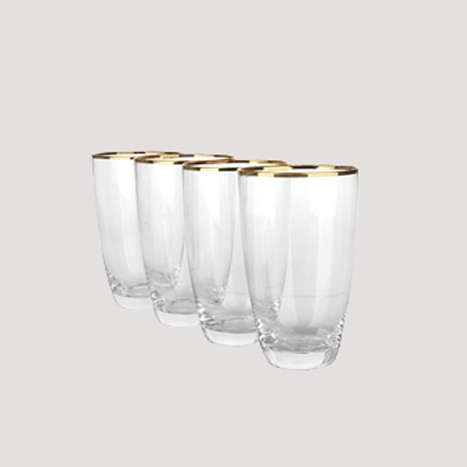
-
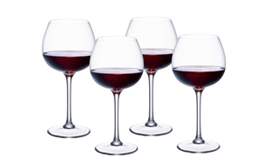
Best quality clear color goblet wine glass cup fish bowl
Capacity : 550ml
Height:20.8cm
Diameter:10.2______ -
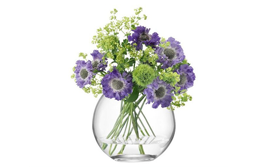
Home decoration clear globe cheap design flower vases glass
Height:16cm
color:clear
material:glass______
- Navigation About us Product glass process news Contact us FAQ
- Product drinking glass Double wall glass Whisky glass Glass pitcher Shot glass Glass vase Glass plate Wine glass Champagne glass Beer glass
- Contact us Email:midasglassware@aliyun.com
Tel : 0351-6814886


