


News
Wine Glass Surface Treatment Processes
The surface treatment processes of wine glasses are key factors that determine their light transmittance, hand feel, durability, and even tasting experience. Different processes not only endow wine glasses with distinct visual textures but also indirectly affect the wine's cling performance and aroma release.
I. Basic Polishing Processes: Core Procedures for Improving Light Transmittance
Polishing is a fundamental post-production step for wine glasses, designed to eliminate surface scratches and pitting while enhancing gloss and light transmittance. It is mainly divided into mechanical polishing and hand polishing.
1. Mechanical Polishing
Process Principle: Utilizes high-speed rotating polishing wheels (coated with diamond polishing paste or cerium oxide polishing powder) to grind the glass body, rim, and stem. Physical friction is applied to achieve a mirror-like finish on the glass surface.
Technical Features: High efficiency and low cost, making them suitable for mass production of ordinary glass wine glasses. Ensures uniform polishing precision and meets the light transmittance requirements for daily use.
Application Scenarios: Budget machine-pressed wine glasses, household wine glass sets.
Identification Points: Check for fine polishing lines on the glass wall. High-quality, mechanically polished wine glasses should have a smooth, flawless surface with no visible light distortion when light passes through.
2. Hand Polishing
Process Principle: Craftsmen use handheld polishing tools to meticulously grind hard-to-reach areas, such as the rim and the joint between the stem and body, that machines cannot effectively process. Some high-end crystal glasses adopt flame polishing technology, where the rim is heated with a high-temperature flame to create a smoother, rounder edge.
Technical Features: High precision and delicate hand feel, with a burr-free rim that prevents finger scratches. Offers superior light transmittance compared to mechanical polishing, highlighting the crystal glass's crystal-clear texture.
Application Scenarios: Hand-blown crystal wine glasses, high-end tasting-grade wine glasses.
Identification Points: The rim of hand-polished wine glasses has a smooth, rounded edge with a silky touch. The transition between the stem and body is seamless without abrupt grinding marks.
II. Decorative Surface Treatment Processes: Customized Solutions for Aesthetic Enhancement
Based on basic polishing, decorative processes can add unique aesthetic value to wine glasses. Common techniques include the following:
1. Etching/Engraving Process
Process Classification: Divided into sandblasting, etching, and hand engraving
· Sandblasting etching: Uses a high-pressure spray gun to blast carborundum onto the glass surface through a stencil to form patterns. Features simple operation and moderate cost, producing clear and consistent designs.
· Hand engraving: Craftsmen carve patterns directly onto the glass wall with engraving knives, creating fluid, three-dimensional designs. Each piece is a unique artwork with high collection value.
Impact on Tasting: Etched patterns increase the contact area between the wine and glass wall, promoting aroma release. Meanwhile, the ridges formed by the patterns act as cling points, making the wine tears flow down more evenly for easier observation of the wine's body thickness.
Application Scenarios: Customized gift wine glasses, light luxury home decorative wine glasses.
2. Gold Gilding/Gold Leaf Process
Process Principle: Applies gold paint to specific areas such as the rim and stem, then bakes the glass at high temperature to fuse the gold layer with the glass surface, forming a durable decorative finish. High-end products adopt the gold leaf gilding process, which creates a thicker, more lustrous gold layer that resists peeling.
Technical Features: Delivers a luxurious visual effect that elevates the wine glass's grade. However, the gold layer is not heat-resistant and cannot be microwaved. Avoid scratching with hard objects during cleaning.
Application Scenarios: Wine glasses for business banquets, holiday gift wine glasses.
3. Frosting/Matt Finishing Process
Process Principle: Creates a uniform matte texture on selected areas of the glass surface through chemical etching (using hydrofluoric acid solution) or physical sandblasting, forming a contrast between matte and glossy surfaces.
Technical Features: Offers a smooth, warm hand feel with enhanced slip resistance. Frosted areas can hide fingerprints and water stains, simplifying daily maintenance.
Application Scenarios: Minimalist-style household wine glasses, shatter-resistant wine glasses for outdoor picnics.
-
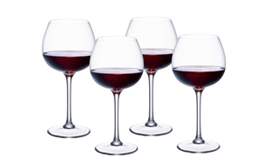
Best quality clear color goblet wine glass cup fish bowl
Capacity : 550ml
Height:20.8cm
Diameter:10.2______ -
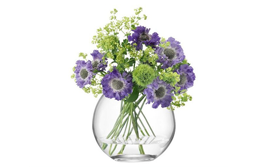
Home decoration clear globe cheap design flower vases glass
Height:16cm
color:clear
material:glass______
- Navigation About us Product glass process news Contact us FAQ
- Product drinking glass Double wall glass Whisky glass Glass pitcher Shot glass Glass vase Glass plate Wine glass Champagne glass Beer glass
- Contact us Email:midasglassware@aliyun.com
Tel : 0351-6814886


